Chris Peng

Engineering Science (Year One)

For the optimal experience, please turn on your audio.

Opus CII:
Engineering Design Portfolio

Accompaniment: View Musical Program

and no, I did not play this

Effective engineering design is about rescoping an overall goal towards the highest-value objectives and validating the remainder through empirical data. My practice is grounded in the three core values: Efficiency, Safety, and Accountability. These principles directly dictate the selection of Concepts, Tools, Models, and Frameworks (CTMFs) utilized throughout my work.

Read Position Statement

The Position

The Iterative Investigator

The Engineer

My name is Chris. I am a first-year undergraduate in the Engineering Science Program at the University of Toronto. My career aspirations are focused on systems architecture, real-time computer vision, and high-performance hardware integration. My approach involves utilizing mathematical frameworks with practical, empirical execution.

View Technical Profile
Act I: Foundational Frameworks Fall 2025
Movement I. • Sep 2025 to Dec 2025

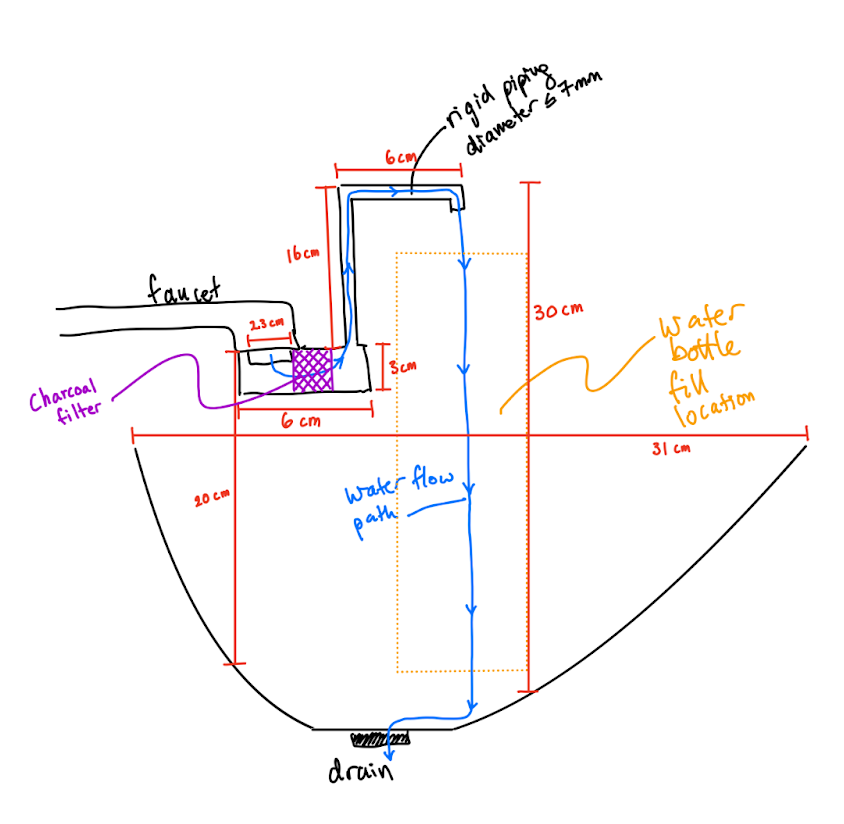
Rigid Pipe Faucet Attachment (Praxis I)

Designed a fluid redirection system solving severe spatial constraints in dormitory sinks through iterative proxy testing.

  • Frame: NGO Framework
  • Diverge: Morphological Charts
  • Converge: Proxy Testing for Validation
Analyze Score
Movement II. • Nov 2025 to Dec 2025

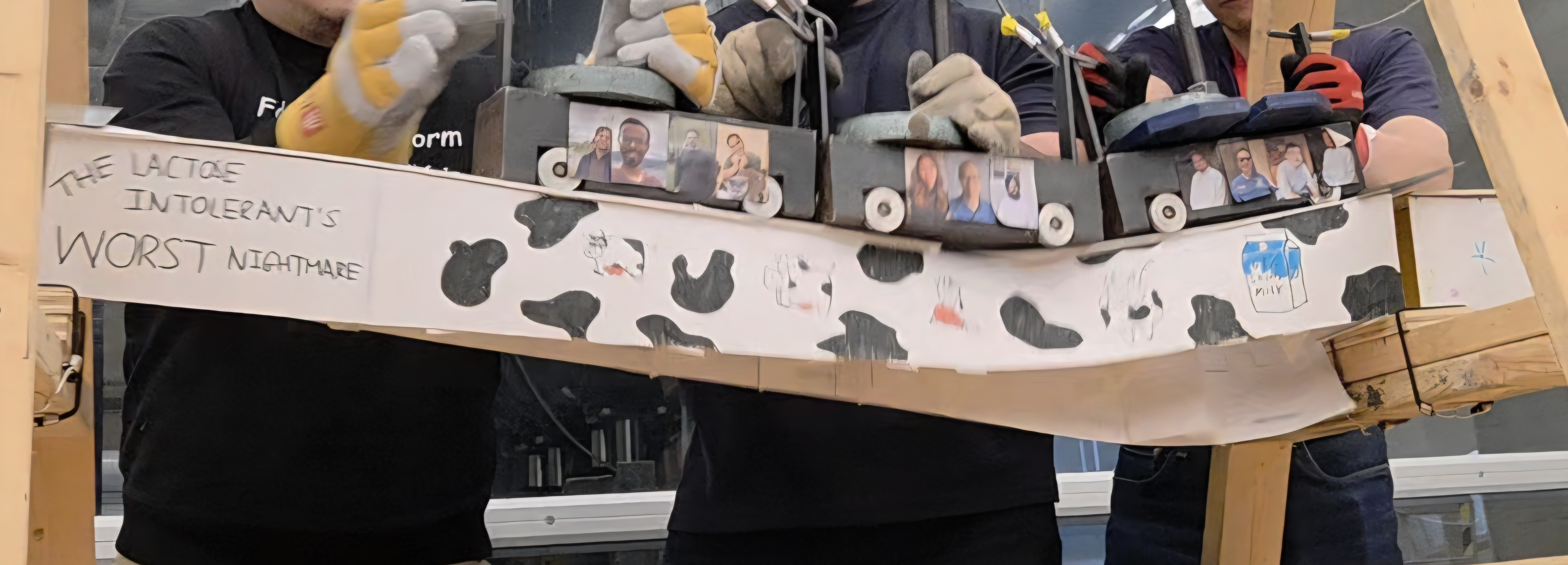
High-Load Truss Bridge (CIV102)

Optimized a matboard structure utilizing custom Python simulations to achieve a 1250 N dynamic load capacity.

  • Frame: Requirements Framework
  • Represent: Detailed Design (FBDs)
  • Process: Spiral Model of Design
Analyze Score
Act II: Systems and Intelligence Winter 2026
Movement III. • Dec 2025 to Present

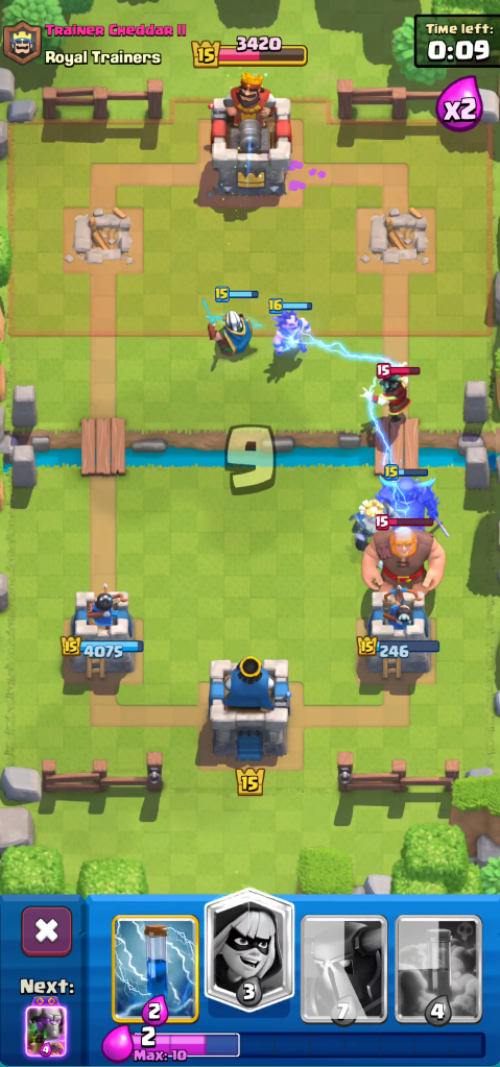
Autonomous Game Bot (Personal)

Engineered a real-time AI agent using YOLOv8 ONNX models, multithreaded Python, and multivariate kinematics.

Python YOLOv8 OpenCV
Analyze Score
Movement IV. • Jan 2026 to Apr 2026

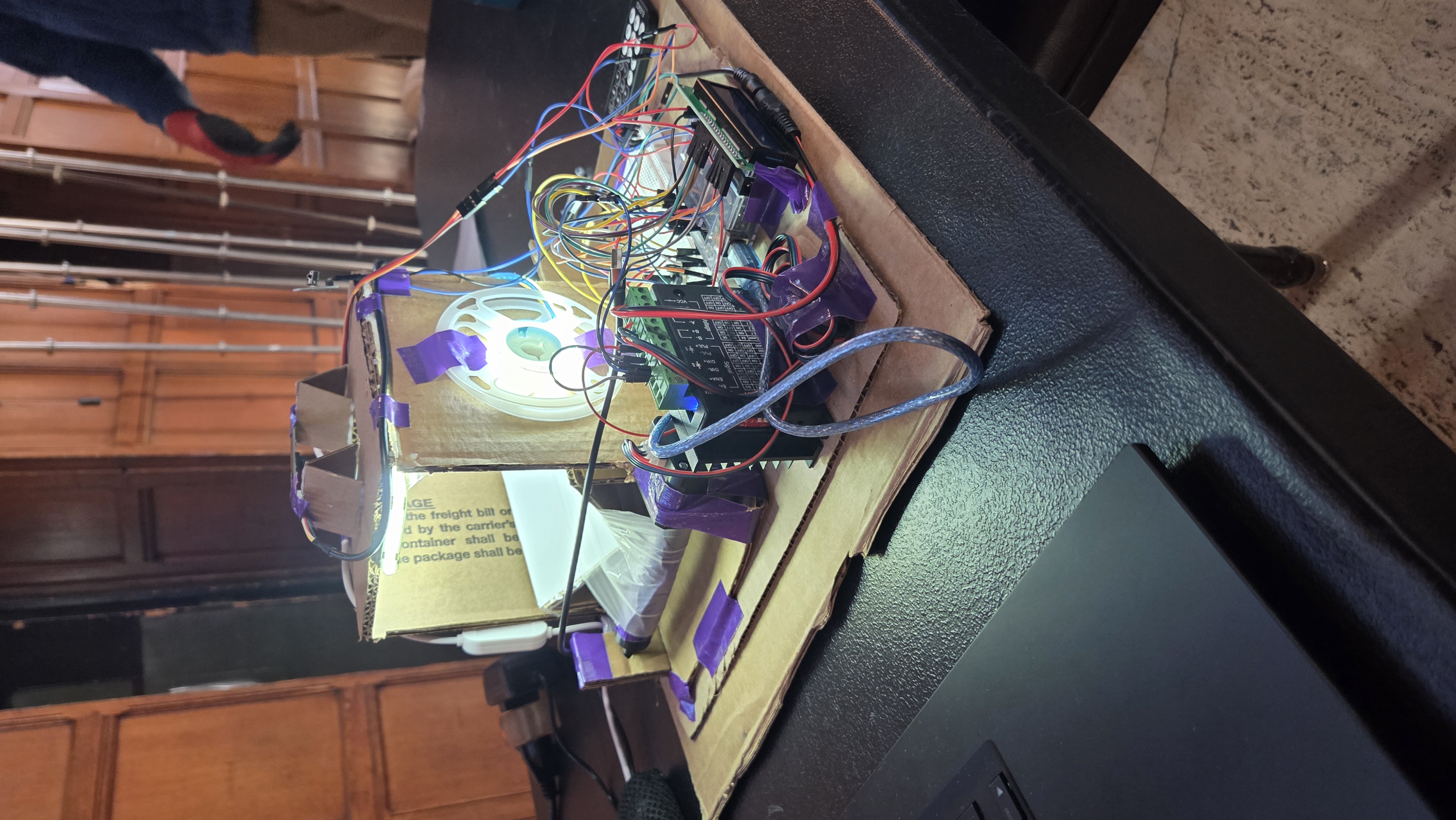
Automated Hardware Reclaimer (Praxis II)

Engineered a computer vision and mechanical sorting system to reclaim displaced Robertson screws.

  • Frame: Design for X (Sustainability)
  • Converge: Pairwise Comparison Matrix
  • Represent: Prototyping with Purpose
Analyze Score
Movement V. • Feb 2026

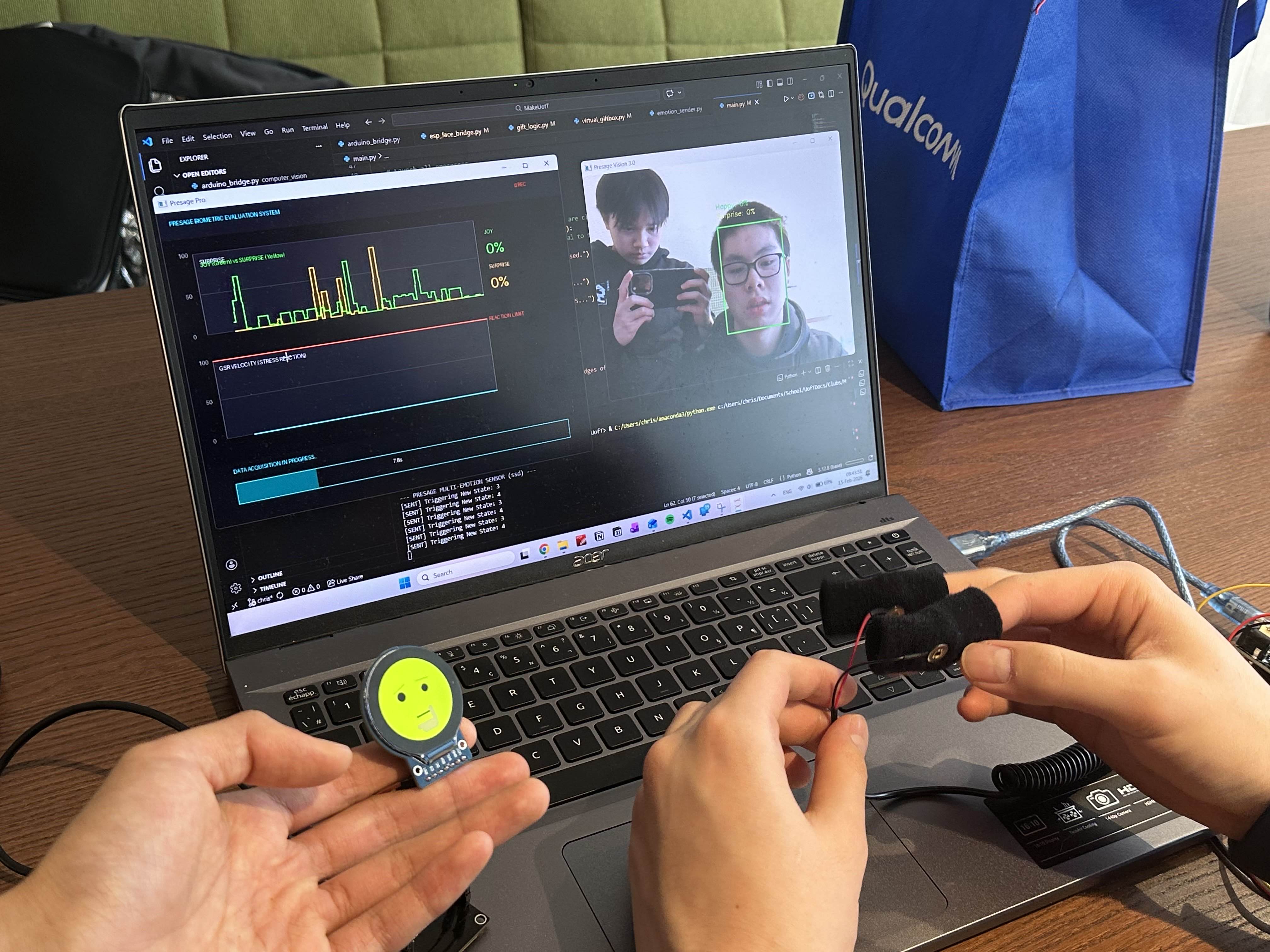
Biometric Emotion Tracker (MakeUofT)

Designed a complex system using GSR skin sensors, ESP8266 microcontrollers, and OpenCV to quantify gift gratification.

C++ Python Arduino OpenCV
Analyze Score

Technical Capabilities

Click on any capability to view the engineering context.

Software Intelligence

  • Python and Multithreading +
    Engineered an asynchronous pipeline for the Clash Royale bot, running YOLO and OCR on background threads to ensure the main decision loop executes with superhuman reaction times without frame drops.
  • Computer Vision (YOLOv8) +
    Trained custom ONNX models for real-time spatial awareness and utilized Canny Edge detection to bypass dynamic lighting constraints in visual recognition systems.
  • Machine Learning +
    Implemented Random Forest models and OpenCV DeepFace facial landmark analysis to correlate biometric user inputs with optimized gift recommendations at MakeUofT.
  • C++ and Hardware Integration +
    Programmed low-level hardware interactions to process live electrical impulses into quantifiable data structures using Arduino microcontrollers.

Physical Engineering

  • Statics and Shear Analysis +
    Mathematically simulated shear force envelopes and calculated all three forms of plate buckling to optimize load paths for a 1250 N matboard bridge in CIV102.
  • Kinematic Modeling +
    Developed multivariate physics engines to calculate estimated time of arrival based on velocity vectors to dictate predictive spell aiming and troop kiting.
  • CAD and Iterative Prototyping +
    Rendered precise cross-sectional geometry in OnShape and rapidly constructed proxy prototypes to validate spatial redirection mechanisms in Praxis I.
  • Sensor Interfacing +
    Integrated Galvanic Skin Response modules with ESP8266 Wi-Fi chips to create live biometric feedback loops capable of quantifying human emotion.

Design and CTMFs

  • Requirements Frameworks +
    Utilized the NGO Framework to map implicit stakeholder needs to explicit design objectives, successfully bounding the scope of complex engineering problems.
  • Decision Matrices +
    Employed Pairwise and Pugh charts to objectively measure divergent concepts against baseline reference designs using empirical proxy test data to remove subjective bias.
  • Morphological Charting +
    Prevented cognitive fixation by breaking systems into distinct sub-functions and systematically brainstorming combinations to force structural divergence.
  • Spiral Design Methodology +
    Executed complex structural optimization through continuous, multi-stage mathematical iterations, constantly evaluating theoretical maximum strength against practical manufacturability.